

After the Jobs Disappear
For centuries, technological progress has unsettled the world of work. Each new advance has raised fears that human labor may finally become obsolete. Yet economies have repeatedly absorbed such disruption through a deeper process of reallocation.
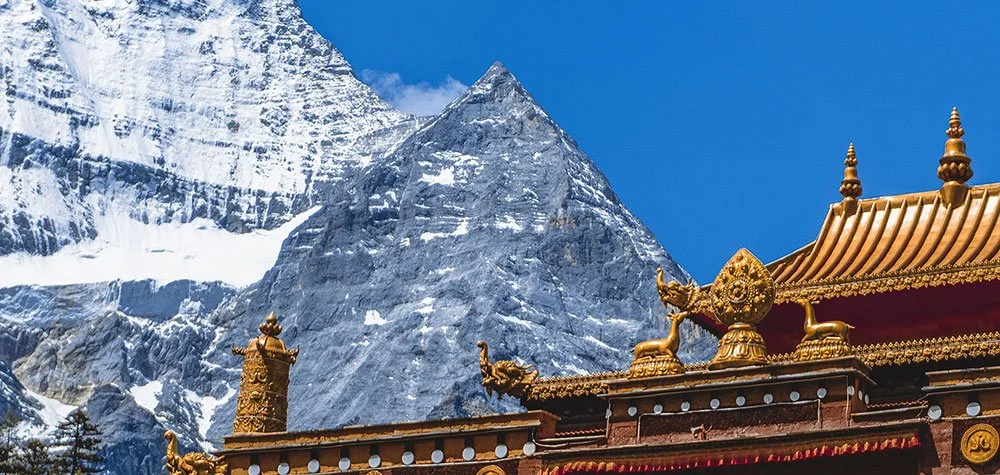
Female Buddhist Leaders in Tibet
The lives of Chokyi Dronma and Orgyan Chokyi challenge the idea that renunciation removed women from gendered expectations. Marriage, motherhood, cooking, obedience, and bodily discipline followed them into religious life. Their achievements arose through a continual negotiation between religious and secular spheres.
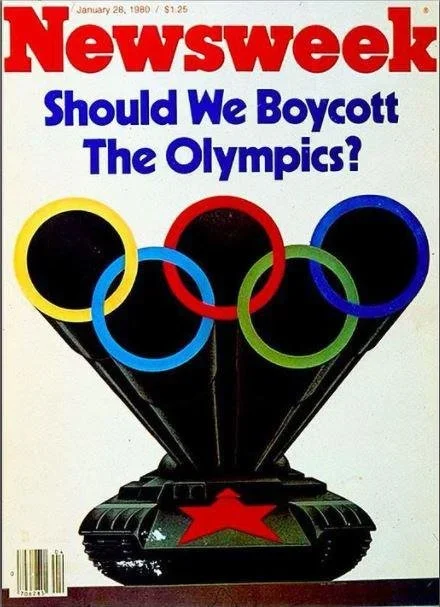
Olympic Boycotts of the Twentieth Century
The Olympic movement promised common ground. Simultaneously, its ceremonies often brought out political differences. Governments learned that a missing delegation could command almost as much attention as a winning athlete. Those absences became part of the spectacle, carrying messages that official speeches could rarely deliver so vividly

Three Poems
A girl waits to be seen past the evidence. A mourner waits for a vibration from the soil. Dancers wait for their bodies to forgive them. Waiting, in these poems, is its own testimony.
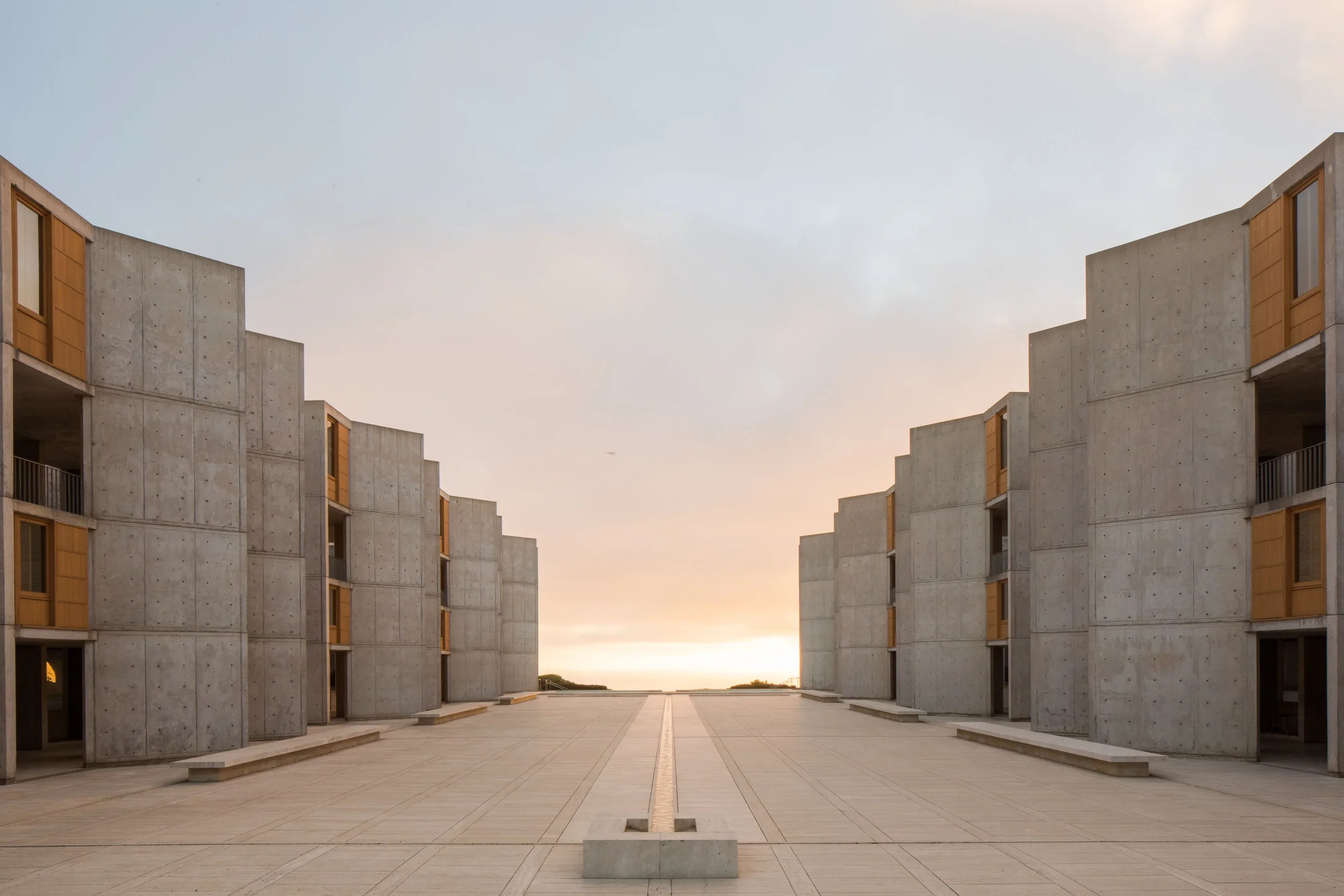
Exploring Louis Kahn’s Legacy
Building upon a historical examination of Kahn’s philosophy and oeuvre, this essay illuminates Kahn’s view of the architect as the interpreter of primordial essences. “What do you want, brick?” “I like an arch.” Seeing how cryptic remarks such as these cast their mystery when considered in the context of his coming to such awareness, the essay explores the development of the architect’s unique vision that goes beyond the purely aesthetic.

From Tejano to K-pop
If cultural memory depended solely on archives, most communities at society's margins would have vanished from the record. Because it also lives in song, their genealogies, resistances, and longings persist, though each generation inherits them altered.